The 'Vocab Box': A Paper System That Automates Your Flashcards
Most people who try to learn English vocabulary rely on hope: they stare at a list of words, close their textbook, and hope the English sticks. But memory isn’t about hope—it’s about timing. If you review a word at the exact right moment before you forget it, it stays in your brain. The hard part is knowing exactly when that moment is. The solution isn’t to study harder; the solution is a simple cardboard “Vocab Box” that automates your study schedule.
The idea is straightforward: cards you know well get reviewed less often, and cards you struggle with keep coming back until they stick. It’s an analog version of spaced repetition, known academically as the Leitner System, but here we just call it the Vocab Box.
If you’ve read my post on how to make effective flashcards, you already know how to build cards that actually work. This post is the other half: the system that makes sure you review them at the right time.
In this guide: Build a physical spaced-repetition system with just a box and index cards. It only takes about 10 minutes to build.
Table of Contents
- What You’ll Need
- Setting Up the Vocab Box
- How to Play
- The Review Schedule
- Making It Stick
- Try It This Week
What You’ll Need
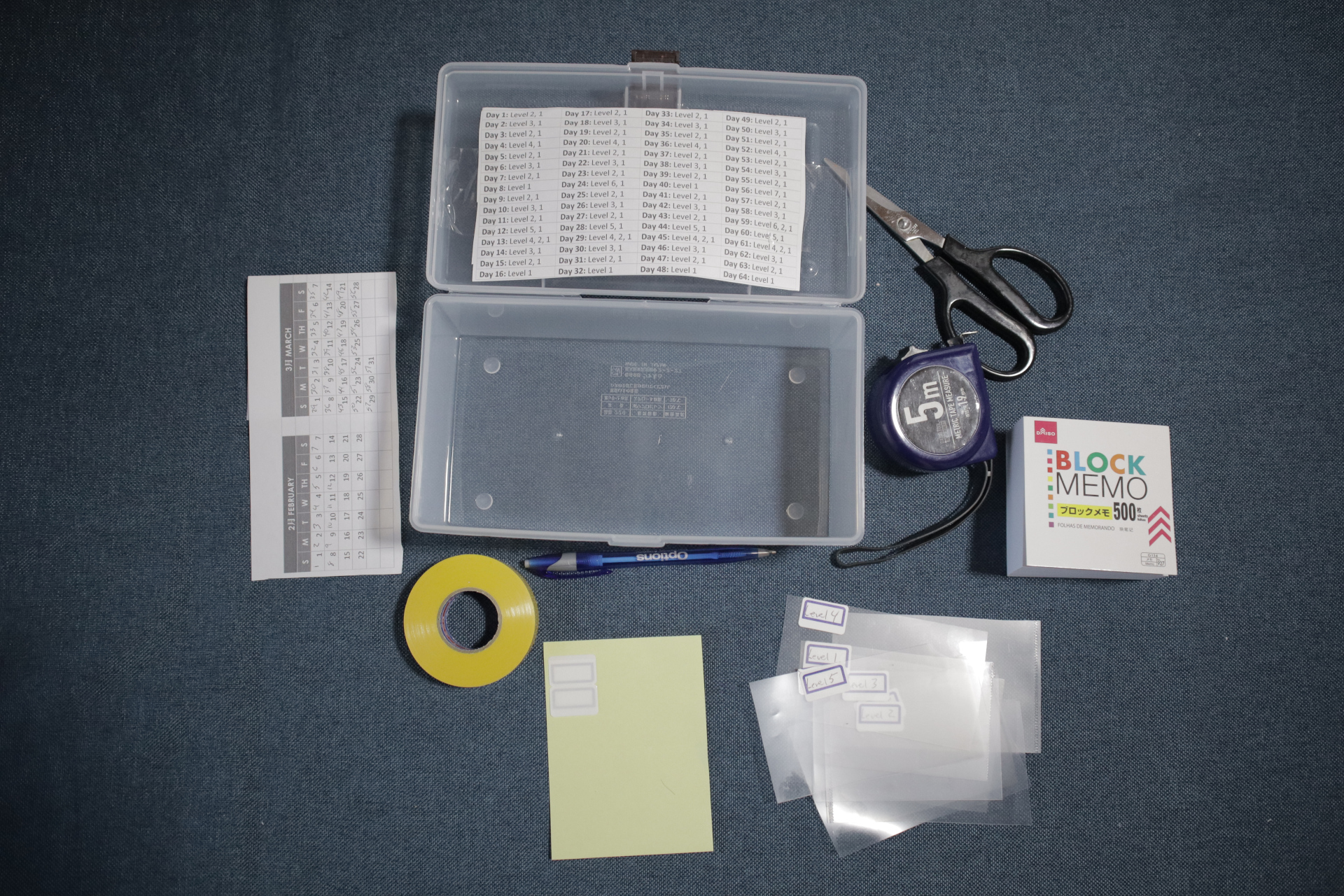
- A large index card file box. The kind that holds hundreds of cards. Bigger is better—you’ll fill it faster than you think.
- Index cards. A lot of them. Start with a few hundred; you’ll eventually need a couple thousand.
- Eight dividers. These separate your levels. You can buy tab dividers or cut them from cardboard.
- Pens or pencils.
- A calendar you can write on—paper or digital, whatever you’ll actually check every morning.
Everything here is available at a ¥100 shop or stationery store in Fujieda—or anywhere in Japan.
Setting Up the Vocab Box
This setup uses eight compartments to spread your reviews over roughly two months.
Label your eight dividers: New, then Level 1 through Level 7. Place them in the box in order, with “New” at the front.
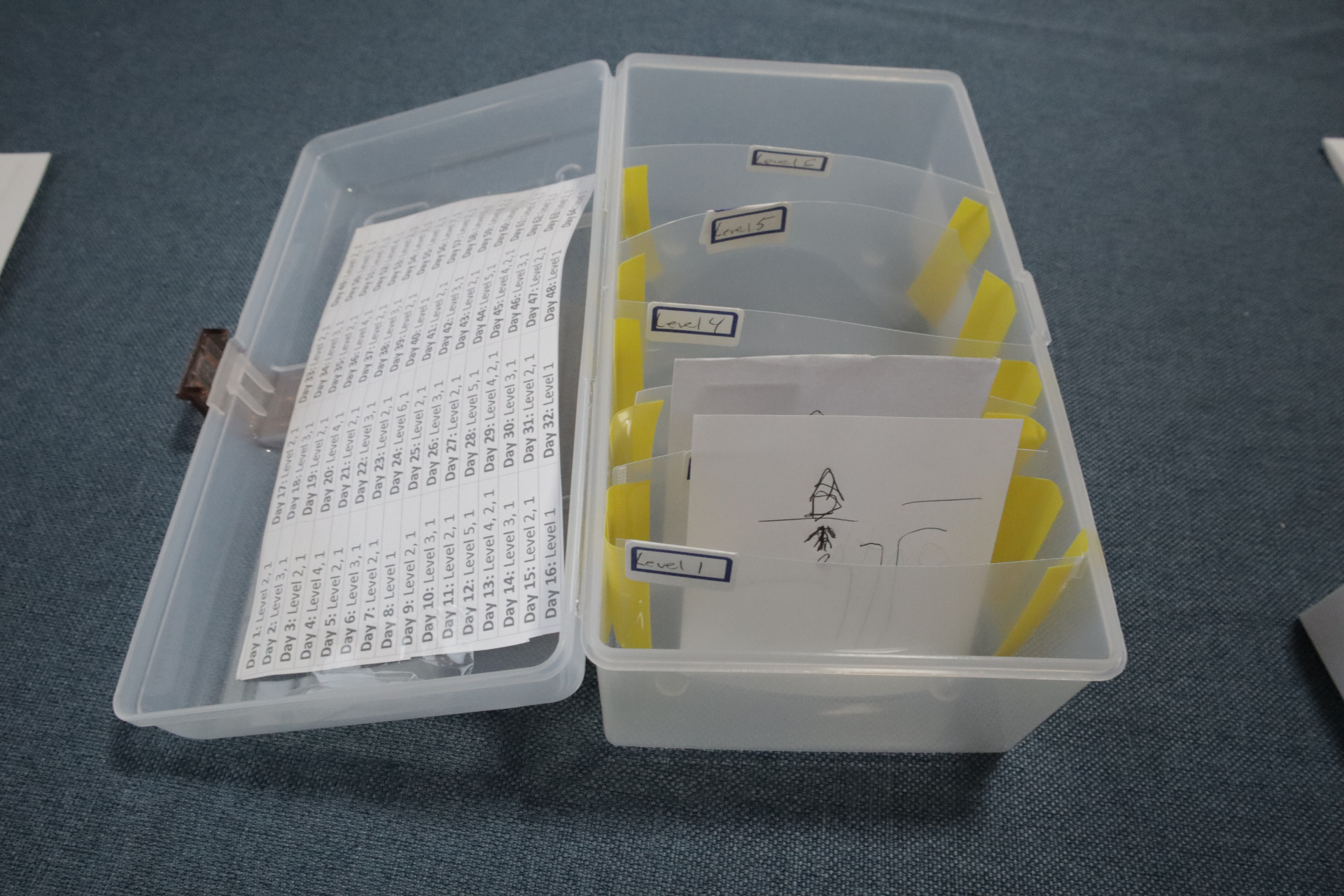
The “New” section holds cards you’ve just made but haven’t studied yet. When you’re ready to start learning them, move a batch into Level 1. That’s where the game begins.
How to Play
Every card follows the same rules, no exceptions.
Starting out: Each day, move just 3–5 new cards from the “New” section into Level 1. That sounds ridiculously small, but it’s exactly what behavioral scientists like BJ Fogg recommend for building a “Tiny Habit.” Five words a day is over 1,800 words a year. Consistency matters far more than volume.
The test: Pick up a card and ask yourself: “Do I remember what’s on the back?” This means everything—the meaning, the pronunciation, the spelling. If you’re testing a word, you need to recall the full picture, not just a vague sense of familiarity. This is the difference between reviewing and actually recalling, and it’s why most people forget vocabulary even when they study regularly.
If you get it right: The card advances one level. Level 1 to Level 2. Level 4 to Level 5. It moves forward because your memory is getting stronger.
If you get it wrong: The card goes back to Level 1. Not back one level—all the way to the beginning. The box is honest about what you actually know, not what you think you know.
Retirement: When a card passes Level 7, it’s done. You can retire the card—or keep it in a “retired” section if you want to revisit once or twice a year.
The Review Schedule
Each level has its own review frequency. The pattern roughly doubles each time, but you don’t need to memorize it.
Here’s what you do:
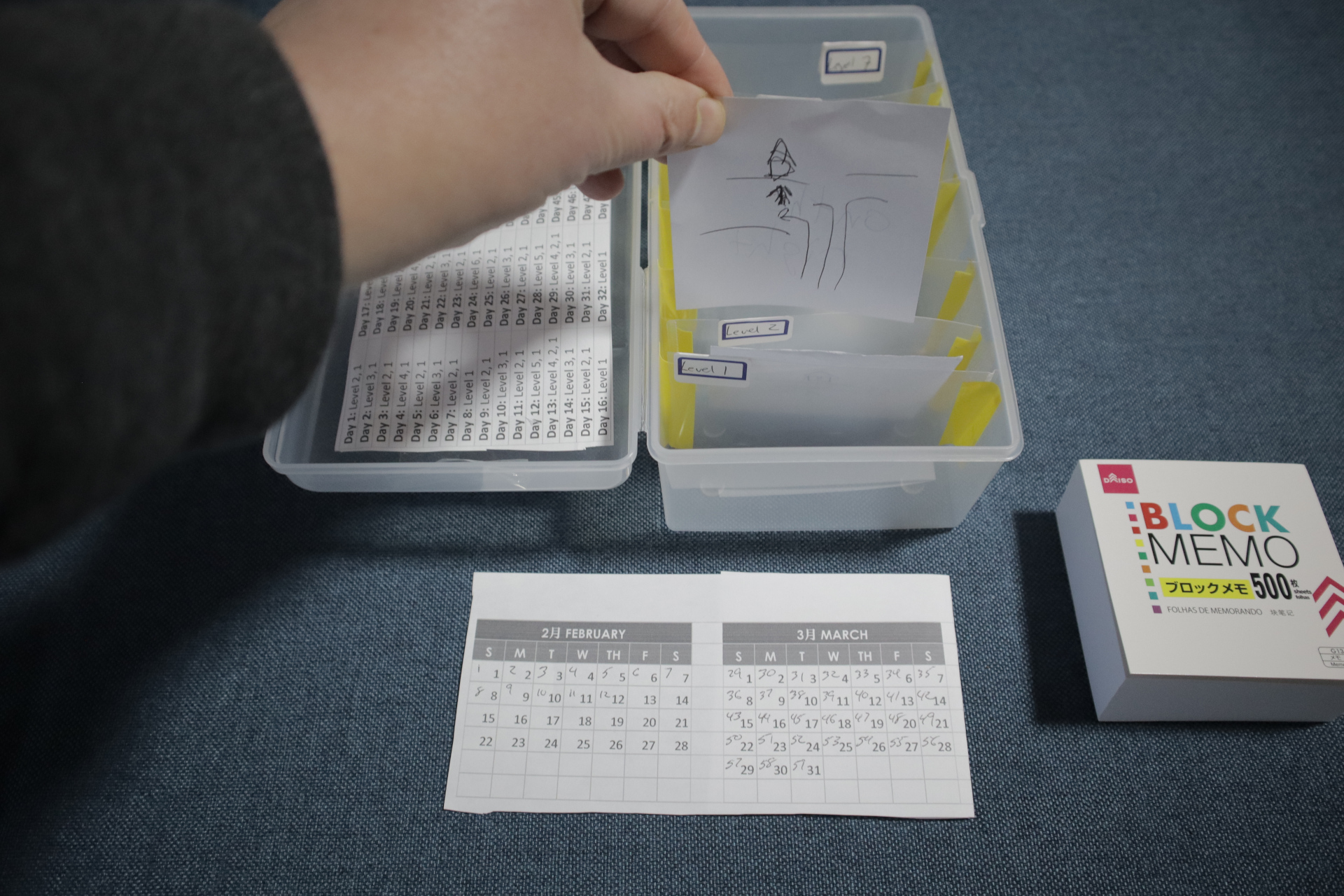
Download and print the 64-day Game Schedule from Fluent Forever. Tape it to the inside of your box lid. Each morning, look at what day you’re on (Day 1, Day 2, Day 3…) and the schedule tells you exactly which levels to review.
That’s it. The schedule does the thinking for you.
If you’re curious about the pattern:
| Level | Rough Frequency |
|---|---|
| Level 1 | Every day |
| Level 2 | Every 2 days |
| Level 3 | Every 4 days |
| Level 4 | Every 8 days |
| Level 5 | Every 16 days |
| Level 6 | Every 32 days |
| Level 7 | Every 64 days |
The actual schedule distributes reviews across a 64-day cycle to keep your daily workload manageable. Just follow the printed schedule.
Making It Stick
The box only automates the timing of your reviews. Whether or not it actually works depends entirely on you building the habit to use it every single day.
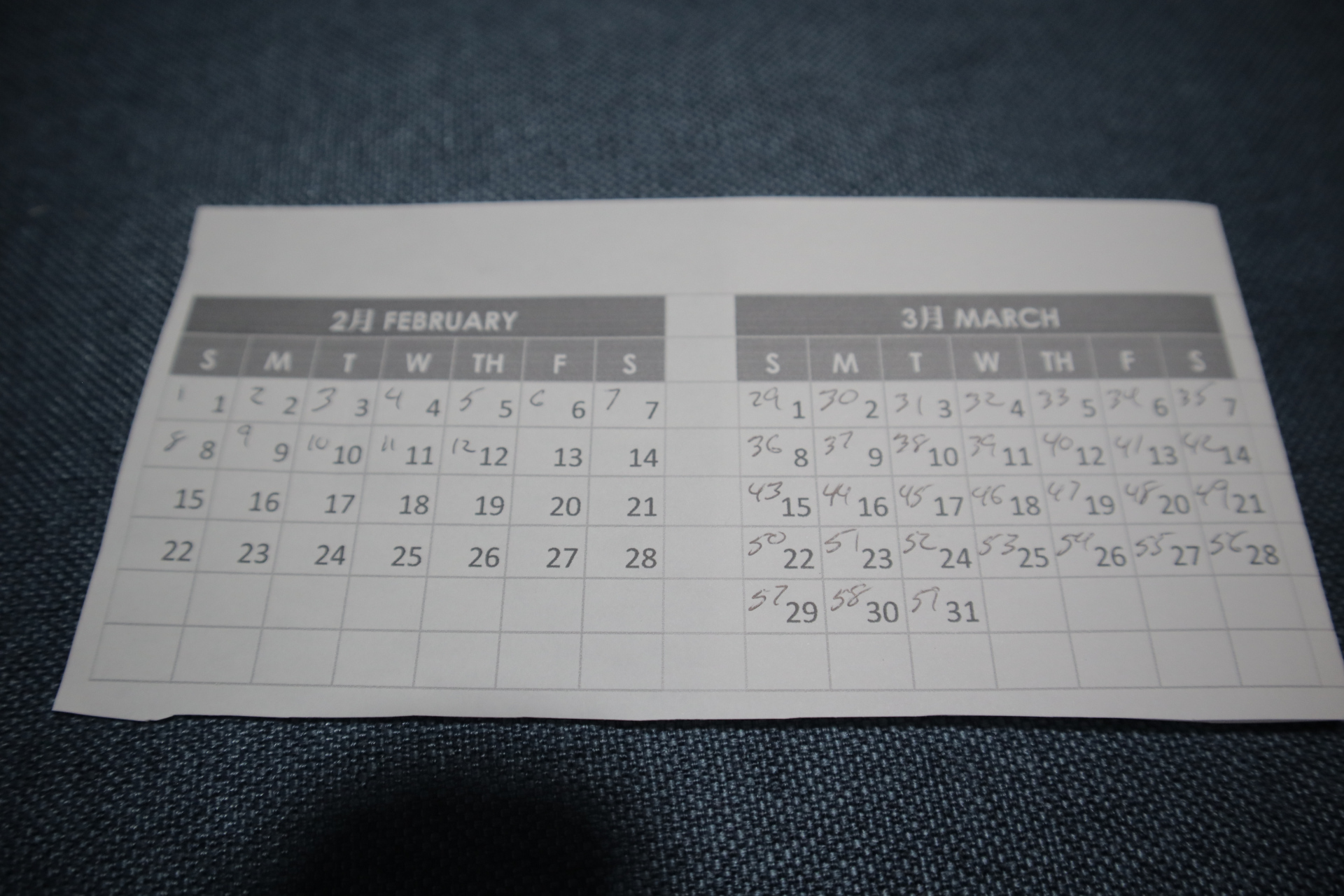
Anchor it to a habit. Review your cards at the same time every day, attached to something you already do—right after your morning coffee, during your commute, before bed. The system does the thinking for you, but you still need to show up. If making this a consistent daily habit feels hard, my guide to using Tiny Habits shows how to anchor new study routines so they become automatic. When you’re ready to put your vocabulary into real conversation, my Adult Conversation Course is where that practice happens.
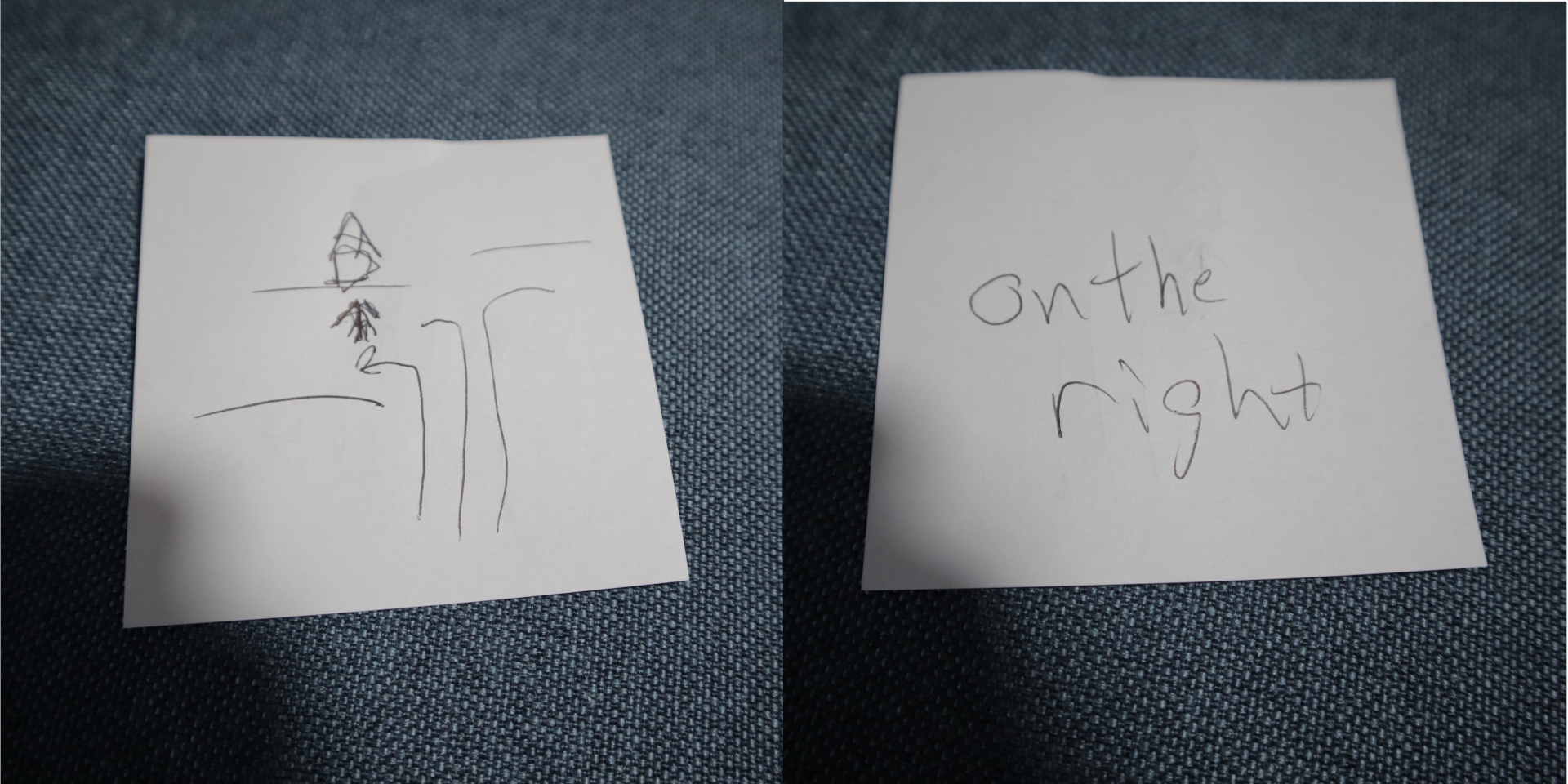
Draw on your cards. Paper cards can’t play audio, which means you need another way to anchor pronunciation and meaning. Draw simple pictures—they don’t need to be good. The act of drawing creates a visual memory that helps you recall the word later, and it works especially well for concrete nouns and action verbs.
Try It This Week
You don’t need to build the perfect box before you start. Grab any box, make eight dividers, and move your first 3 to 5 cards into Level 1 tomorrow morning. The system will teach you the rest as you go.